Introduction
Missing teeth affect more than a smile. According to the CDC, about 26% of U.S. adults aged 65 and older have eight or fewer teeth.
Many people struggle with chewing tough foods, pronouncing certain words, or feeling confident in photos once teeth are gone. A removable dental prosthesis can restore chewing function, clear speech, and appearance.
But there's no single "right" choice. The best option depends on your remaining teeth, jawbone support, gum health, lifestyle, and treatment goals.
That's where prosthodontics comes in. This dental specialty focuses on diagnosing, planning, and restoring oral function for patients with missing or damaged teeth.
This guide walks through prosthesis types, how they're made and maintained, current cost ranges, and how digital technology is changing dental labs. It's general information only. Determining candidacy requires an exam and treatment plan from a licensed dental professional.
Key Takeaways
- Most removable cases use partial, complete, immediate/temporary, or implant-retained overdentures
- Plan around retention, stability, appearance, chew function, and the patient’s ability to maintain the device
- Scanning, CAD, milling, and 3D printing steady lab workflows—clinical judgment still drives outcomes
- Daily cleaning, correct storage, and fast response to soreness or looseness protect the device and oral health
What Are Removable Dental Prostheses and Prosthodontics?
A removable dental prosthesis is a custom-made appliance that replaces some or all missing teeth. Unlike fixed restorations, the patient can take it out and reinsert it without a dentist's help.
Prosthesis vs. Denture vs. Implant vs. Overdenture
These terms get used interchangeably, but they're not the same thing:
- Removable prosthesis — a custom appliance the patient can insert and remove without clinical tools
- Denture — a common term for a removable prosthesis replacing some or all teeth
- Implant — a titanium or ceramic post surgically placed in the jawbone to anchor a restoration
- Implant-retained overdenture — a removable denture that snaps onto implants for added stability, but still comes out for cleaning
According to the American College of Prosthodontists, a removable prosthesis can be inserted and removed by the patient, while a fixed dental prosthesis is secured to teeth or implant abutments and cannot be removed without a dentist's tools. That single distinction (who removes it) is the clearest way to tell the two apart.

What Prosthodontics Actually Covers
Prosthodontics involves far more than fitting a denture. It typically includes:
- Clinical assessment and treatment planning
- Restorative dentistry and occlusion (bite) analysis
- Collaboration with a dental laboratory on design and materials
- Fitting, adjustments, and aesthetic refinement
- Long-term maintenance and periodic replacement
Why Replacing Missing Teeth Matters
Tooth loss can affect chewing efficiency, speech clarity, facial support, and the health of remaining teeth and gum tissue, though not every patient feels the same impact.
A 2013 review on edentulism found that missing teeth can impair mastication and lower quality of life, including denture-related trauma and negative self-perception. That is why prosthodontic planning weighs function and psychological wellbeing, not appearance alone.
Removable and fixed solutions differ in surgical requirements, maintenance routines, and how they attach. The right choice depends on individual clinical evaluation, not a universal ranking of one option over the other.
Types of Removable Dental Prostheses
Removable Partial Dentures
These are designed for patients who still have some natural teeth. A partial denture typically includes:
- Replacement teeth set in a gum-colored base
- Metal clasps or precision attachments that grip remaining teeth
- A framework that fills gaps and supports chewing function
They're a common solution when extracting or replacing every tooth isn't necessary or desired.
Complete or Full Dentures
Used when a patient is missing all teeth in one arch. Upper dentures generally gain more suction and stability from the palate. Lower dentures often have less surface area and can feel less secure, so retention expectations should be set accordingly.
Immediate and Temporary Dentures
Immediate dentures are placed right after tooth extraction, so patients are not left without teeth during early healing. Gum tissue and bone keep changing as they heal, so these dentures often need relining or replacement once the ridge settles.
Temporary partial dentures play a similar interim role—especially for front teeth—while the definitive prosthesis is made.

Implant-Retained Removable Overdentures
Dental implants or attachments anchor the denture for better retention, but the patient still removes it daily for cleaning. That is different from a fixed implant-supported restoration, which stays in place permanently.
Overdentures usually need closer professional monitoring than conventional dentures, with more frequent recall visits in the first year as tissues and attachments are checked.
Quick Comparison
| Prosthesis Type | Tooth Loss Pattern | Support | Removable? | Maintenance |
|---|---|---|---|---|
| Partial denture | Some natural teeth remain | Teeth + gum tissue | Yes | Moderate |
| Complete denture | All teeth missing (one arch) | Gum tissue/ridge | Yes | Moderate |
| Immediate denture | Post-extraction | Gum tissue | Yes | Higher (early relines) |
| Implant overdenture | Varies; implants placed | Implants + tissue | Yes | Higher (frequent recall) |
Candidacy depends on oral hygiene, periodontal health, bone volume, systemic health, manual dexterity, and follow-up commitment. A dental professional evaluates those factors in person before recommending a prosthesis type.
How Removable Prostheses Are Made, Fitted, and Maintained
The Initial Consultation
Treatment starts with a review of medical and dental history, an exam of teeth and soft tissues, a bite evaluation, and often diagnostic imaging or scans. The clinician discusses goals and recommends a prosthetic design suited to the findings.
Conventional and Digital Workflows
The traditional path moves from impressions to design and tooth arrangement, a try-in appointment, laboratory fabrication, and finally delivery with chairside adjustments.
Many labs now use a digital alternative or hybrid approach:
- Intraoral scanning replaces or supplements physical impressions
- CAD design shapes the base and tooth arrangement digitally
- Digital approval lets the dentist and lab confirm design before manufacturing
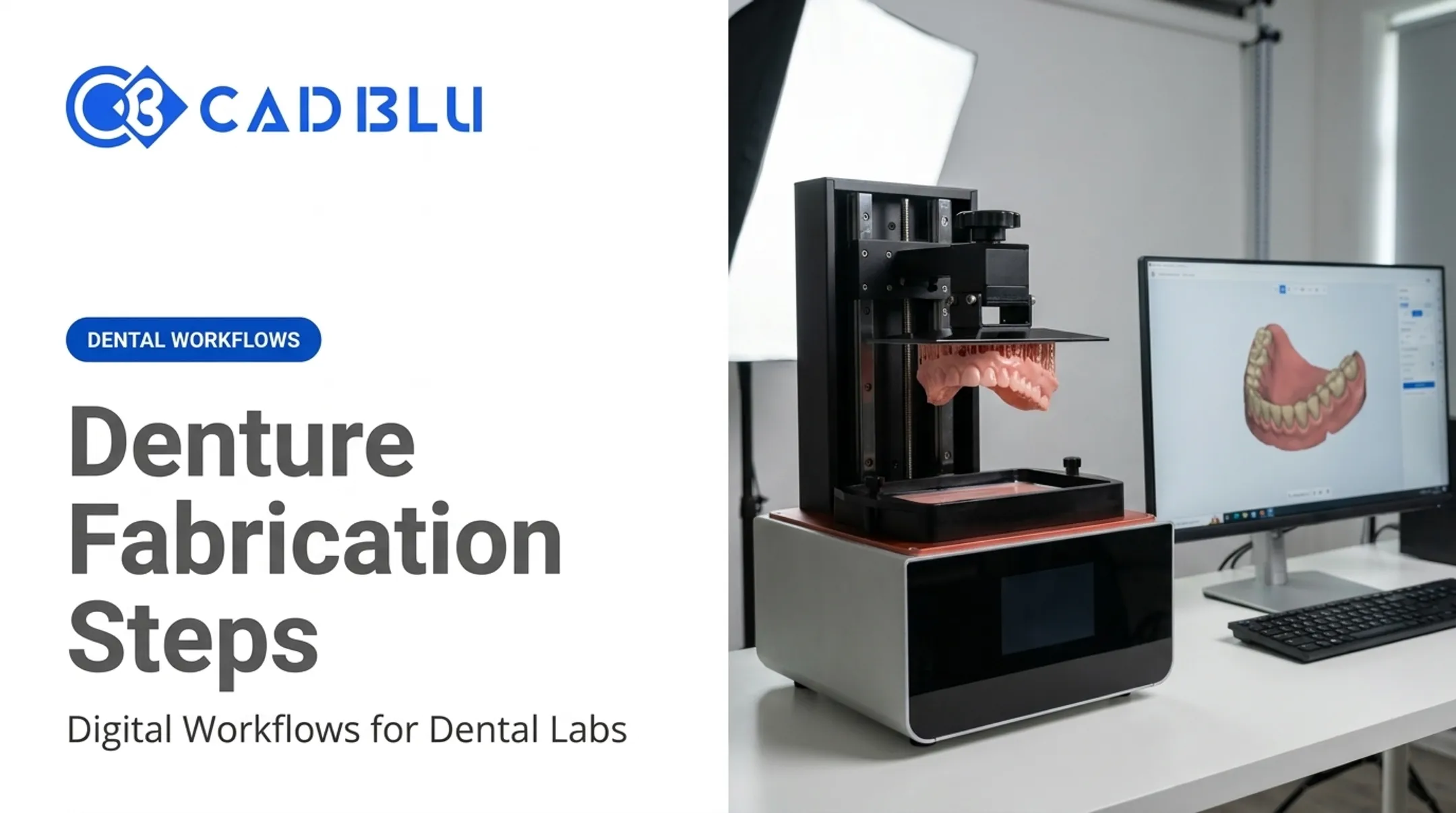
- Milling or 3D printing produces the prosthesis
- Quality checks and fitting finalize delivery

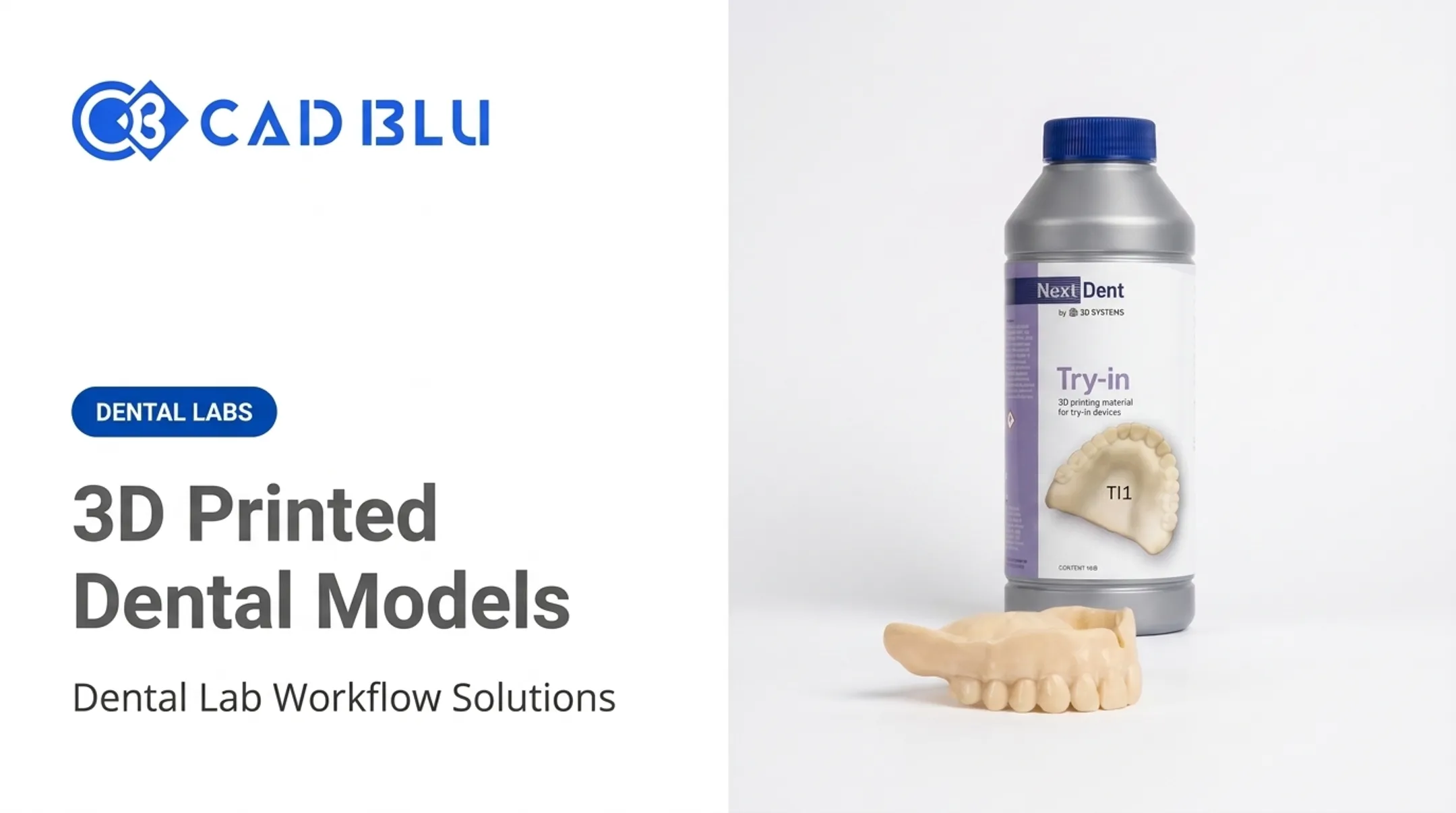
Dental labs typically run these digital steps with commercial 3D printers, biocompatible resins, and CAD/CAM software—tools suppliers such as CAD BLU provide for clinic and lab workflows.
Adjusting to a New Prosthesis
Expect an adaptation period. Speech, salivation, chewing patterns, and pressure points may all feel different at first. Some soreness while tissues adjust is common. Persistent pain, instability, or difficulty chewing warrants a call to your dental professional.
Daily Care Routine
Consistent home care shortens the adjustment window and protects the fit you left the chair with:
- Remove the appliance as your clinician directs
- Rinse and brush it with a non-abrasive cleaner (not regular toothpaste, which can be too harsh)
- Clean gums, tongue, palate, and any remaining natural teeth separately
- Soak only using products your clinician recommends
Storage and Follow-Up
Avoid hot water and unapproved household cleaners, which can warp or damage materials. If instructed, keep the prosthesis from drying out between wears.
Attend scheduled exams, and seek review promptly if the prosthesis:
- Feels loose or unstable
- Cracks, chips, or changes shape
- Causes ongoing discomfort
- Makes chewing difficult
Digital Technology in Removable Prosthodontics
From Impressions to Digital Files
Digital impressions, CAD software, milling, and 3D printing create a reproducible digital record of a patient's mouth and prosthesis design. That record supports clearer communication between dentists, prosthodontists, and dental laboratories — and makes it easier to recreate a design if a prosthesis is lost or damaged.
What the Workflow Can (and Can't) Guarantee
Digital workflows offer real advantages:
- Repeatable results across production runs
- Faster design changes without starting over
- Streamlined lab-to-clinic communication
- Easier duplication of an existing design But outcomes still depend on equipment quality, software, materials, scan accuracy, and clinical skill. A digital file is only as good as the scan and the technique behind it.
Digital vs. Conventional: No Universal Winner
A 2023 randomized cross-over study comparing digital and conventional dentures found upper-denture stability was statistically better with digital fabrication, while lower-denture stability showed no significant difference. Patient-reported satisfaction scores were similar in both groups. A 2024 systematic review reached a related conclusion: digitally fabricated complete dentures performed similarly to or better than conventional ones. That still leaves room for clinical judgment. Complex cases, appointment tolerance, and material choice all help determine which workflow fits best.
Where CAD BLU Fits
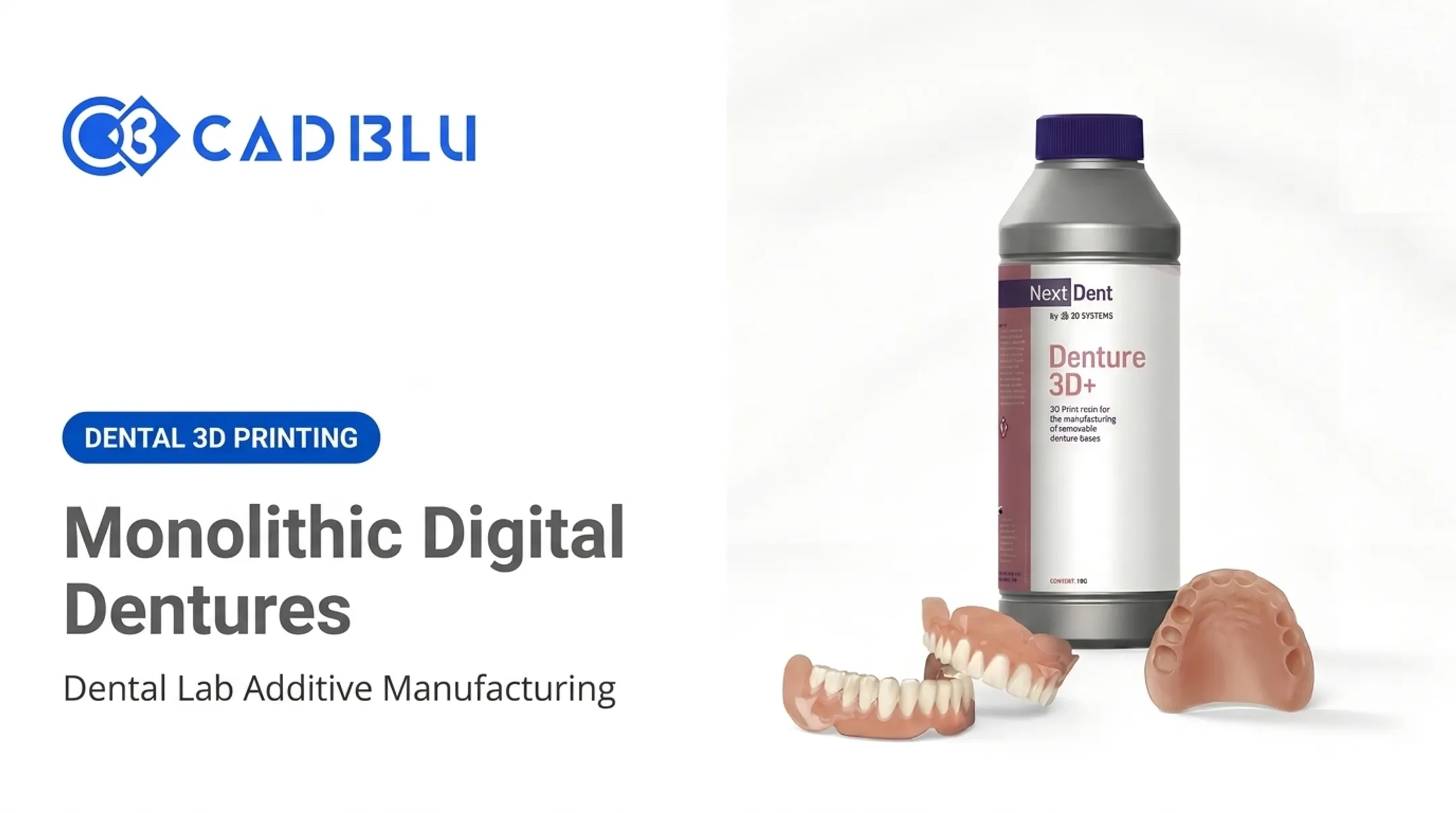
For dental labs and practices weighing in-house digital denture production, equipment choices matter as much as clinical technique. CAD BLU works with U.S. dental organizations on commercial 3D printers, CAD and scanning software, printing materials, installation, and workflow optimization, backed by OEM-trained technical support. CAD BLU supplies the equipment and technology layer labs and clinics use to build digital workflows—not patient treatment. As one example, a NextDent-based system can print denture bases and teeth in a single build, with a full arch produced in hours rather than days.

Choosing the Right Prosthetic Option
Clinical Factors That Drive the Decision
A dental professional typically weighs these clinical factors:
- Number and location of missing teeth
- Condition of remaining teeth and gum health
- Ridge anatomy and bone support
- Bite alignment and speech considerations
- Manual dexterity and ability to clean/remove the appliance
Lifestyle Considerations
Clinical fit is only part of the choice. Patients also weigh day-to-day factors such as:
- Desired stability during eating and speaking
- Comfort level with surgical procedures
- Willingness to attend multiple appointments
- Preference for removable versus fixed treatment
What Drives Cost
Total treatment cost depends on several variables:
- Type and extent of tooth replacement
- Materials selected
- Diagnostic imaging
- Tooth extractions
- Implant placement and bone grafting (if needed)
- Adjustments, relines, and local lab or clinical fees
U.S. averages from a 2026 Synchrony/ASQ360 procedural cost study reported by CareCredit show the typical range:
| Prosthesis Type | U.S. Average | Reported Range |
|---|---|---|
| Full, traditional removable | $2,022 | $1,493-$3,309 |
| Partial, metal | $2,293 | $1,700-$3,717 |
| Full, immediate temporary | $2,243 | $1,670-$3,573 |
| Snap-on, implant-retained | $2,540 | $1,886-$4,124 |
These figures are averages, not “starting at” prices, and may reflect per-arch or full-treatment billing depending on the case. Always request a written, personalized estimate.
Questions to Ask Your Dental Professional
- Which prosthetic options am I clinically suitable for?
- What's included in this estimate, and what isn't?
- How long will treatment take from start to delivery?
- How often should I expect adjustments or relines?
- What happens if the prosthesis is lost, cracked, or damaged?
Dental labs and practices that fabricate these prostheses face a parallel set of choices: workflow design, materials, budget, staff training, and service coverage. CAD BLU supports that side of the decision with turnkey and partial digital manufacturing setups for dental production.
Frequently Asked Questions
How much do removable denture implants cost?
Total cost varies by number of implants, overdenture type, imaging, extractions, bone preparation, lab work, and location. U.S. averages for snap-on implant-retained dentures run around $2,540, ranging roughly $1,886-$4,124. Always request a personalized written estimate.
What are the different types of removable dental prostheses?
The main types are removable partial dentures, complete dentures, immediate or temporary dentures, and implant-retained removable overdentures. Each addresses a different pattern of tooth loss, from a few missing teeth to a full arch with no remaining teeth.
Can you sleep with removable implant dentures?
Remove implant-retained dentures at night for cleaning and to let tissues rest, unless your dentist instructs otherwise. If removal causes pain or the fit feels off, contact your dental professional.
What is the difference between removable and fixed dental prostheses?
Removable prostheses come out by the patient; fixed ones stay secured to teeth or implants and need a dentist to remove them. Fixed options often require surgery, while removable options are usually less invasive—your dentist can confirm which fits your case.
How long does it take to get used to a removable dental prosthesis?
Adaptation varies by person but often involves temporary changes in speech, chewing, or salivation during the first few weeks. Persistent soreness, looseness, or difficulty functioning should prompt a professional review rather than waiting it out.