Material choice shapes almost everything about the wearing experience. Comfort, chewing strength, appearance, how long the denture lasts, whether it can be repaired easily, and even the final cost all trace back to what the base, teeth, and framework are made of.
This article walks through the main categories: acrylic resin, metal frameworks, flexible thermoplastics, porcelain and composite teeth, and newer digitally produced materials. We'll close with practical guidance for discussing these options with a dental professional.
Key Takeaways
- Dentures combine a base material with separate teeth; the ideal pairing depends on full, partial, flexible, or implant-retained design.
- Acrylic resin dominates bases for light weight and adjustability; metal frameworks add strength where thinness and rigidity matter.
- Porcelain and acrylic teeth trade off on appearance, wear resistance, and repairability.
- Flexible thermoplastics and digital materials solve specific problems but aren't universal replacements.
- The right material depends on oral anatomy, bite forces, sensitivities, and professional evaluation, not trends.
What Are Denture Materials and Why Do They Matter?
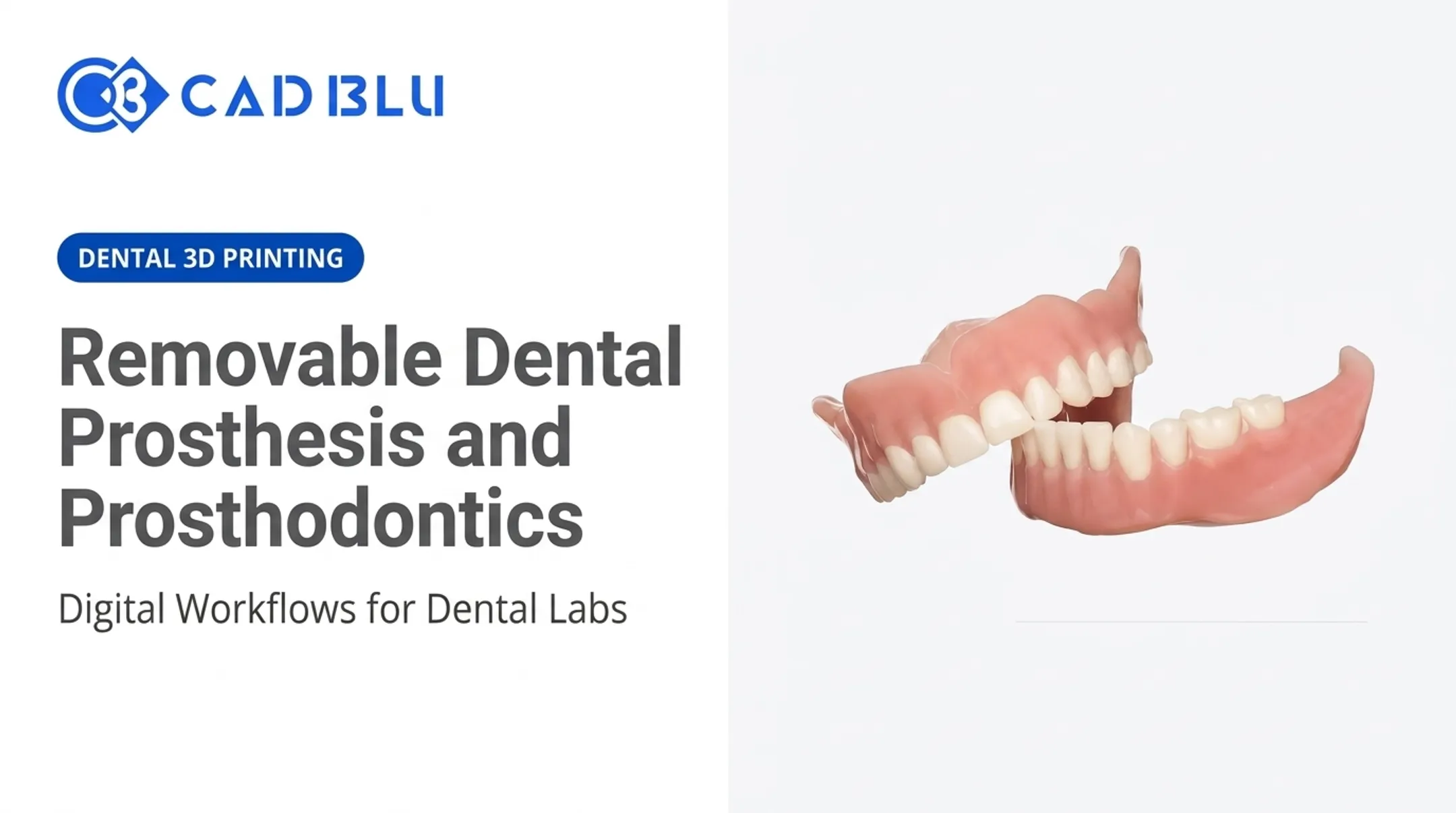
Denture materials are the resins, polymers, metals, and ceramics used to build a removable or implant-retained prosthesis that replaces missing teeth and the surrounding gum tissue. Each denture typically has two or three functional parts, and each part has its own material requirements. The materials chosen for those parts affect comfort, durability, appearance, and cost.
The main components include:
- The base – rests directly against the gums and holds the artificial teeth in place
- The framework or clasps – found mainly in partial dentures, these add stability and connect to remaining natural teeth
- The artificial teeth – restore chewing surfaces, speech function, and visible appearance
Material selection shifts depending on the denture type:
- Full dentures typically use an acrylic-based base paired with acrylic or similar artificial teeth.
- Partial dentures may combine acrylic, flexible polymer, or a cast metal framework with clasps and replacement teeth.
- Implant-retained dentures often rely on reinforced polymers, acrylic, or composite components designed to connect with implant attachments.
According to the American Dental Association's patient guidance on partial dentures, connector design is case-specific: metal frameworks and clasps are common, but other connector types may be used when they better fit the remaining teeth and tissue support.
No single material works for every patient. A dentist or prosthodontist typically weighs:
- Gum and bone anatomy
- Remaining natural teeth
- Bite pressure
- Aesthetic goals
- Material sensitivities
- Budget
Fit, oral health, and compatibility should be confirmed before a material is selected or changed.

Types of Denture Materials
Materials get chosen based on the specific component and clinical situation, not by defaulting to whatever sounds most advanced.
Acrylic Resin Bases
Heat-cured acrylic resin, commonly based on polymethyl methacrylate (PMMA), is the workhorse material for full denture bases and many partial denture bases. It's been the standard for decades, and for good reason.
Advantages of acrylic bases:
- Relatively lightweight compared to metal alternatives
- Matches gum-colored aesthetics closely
- Easy to adjust or reline as the mouth changes over time
- Repairable in most dental labs without full replacement
- Compatible with a wide range of denture teeth
Trade-offs worth knowing:
- Can feel bulky compared to thinner metal frameworks
- Fracture risk exists if dropped or exposed to excessive biting force
- Surface wear or staining can develop over time with inconsistent cleaning
- Requires regular cleaning to prevent bacterial buildup
A 2023 polymer review notes that PMMA has known limitations, including poor color stability in the oral environment over extended use Alqutaibi et al., 2023.
High-impact or reinforced acrylic formulations are marketed to address fracture concerns, and lab-based studies suggest measurable strength improvements. Any specific durability claim should be verified against manufacturer data or peer-reviewed testing rather than taken at face value.
Metal Frameworks and Reinforced Components
Cobalt-chromium (Co-Cr) frameworks are thin, rigid structures used primarily in partial dentures. They support teeth, clasps, and connectors while distributing bite forces across the framework instead of concentrating them on soft tissue.
Metal frameworks offer:
- Greater rigidity than acrylic alone
- A noticeably thinner profile, which many patients find less intrusive
- Long-term structural stability under normal chewing loads
The trade-offs are real, though. Metal clasps can be visible when smiling, the framework adds weight compared to some polymer alternatives, and metal allergies, while uncommon, need to be ruled out beforehand. The condition of remaining natural teeth also affects whether a metal-supported design is even feasible.
Titanium and other specialized metals show up in select framework applications and implant components. One study found that multi-directionally forged titanium improved mechanical properties and machinability compared to standard titanium, making it a candidate for select partial denture frameworks (PMC7790602). That doesn't mean metal frameworks suit every full denture case; they're primarily a partial denture solution.
Compared to all-acrylic or flexible designs, metal frameworks win on rigidity and thinness but lose some ground on aesthetics and simple in-office adjustability.
Flexible Thermoplastic Materials
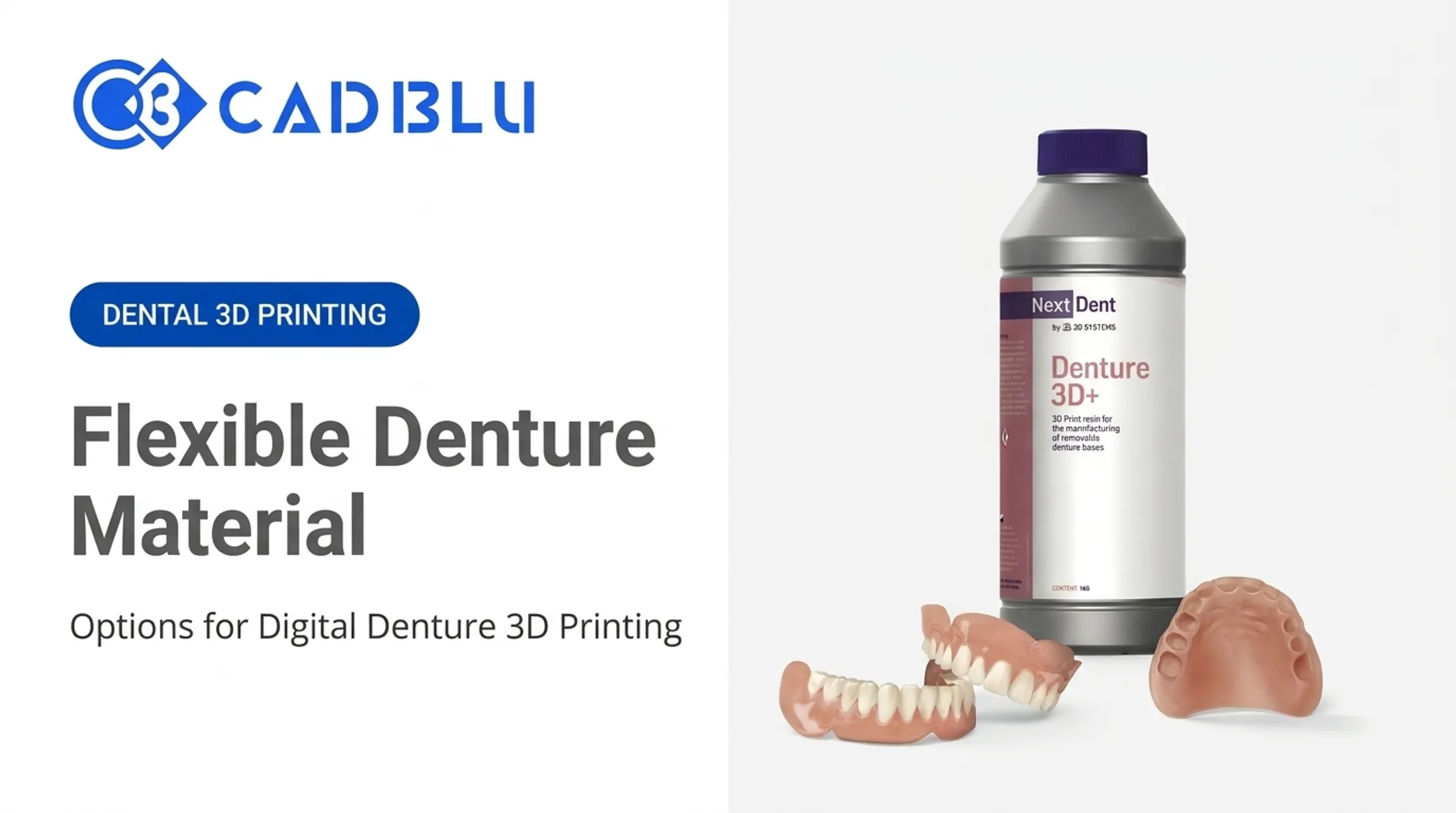
Flexible denture materials are thermoplastic polymers, including nylon-based options, designed to adapt around certain undercuts in the mouth without requiring visible metal clasps. They're often marketed as the more comfortable, more discreet alternative.
Potential benefits:
- Lightweight compared to metal frameworks
- Metal-free construction, useful for patients with sensitivities
- Gum-colored or translucent appearance that blends with natural tissue
Comfort, though, depends far more on accurate fit and thoughtful design than on flexibility alone. A flexible partial that doesn't fit well can still feel uncomfortable.
Limitations to consider:
- Adjustments and relines can be more complicated than with acrylic
- Repairs often require material-specific processes, not standard lab techniques
- Cleaning protocols may differ from conventional dentures
A 2024 literature review found that flexible nylon dentures showed higher surface roughness and slightly greater color deterioration over time compared to heat-cured acrylic, along with more difficult repair and relining pathways Ceraulo et al., 2024.
Flexible materials tend to suit select partial denture cases or patients with specific metal-sensitivity or aesthetic concerns, but they're not automatically the better choice for high-load or complex cases. That determination belongs to a clinician.
Artificial Teeth: Acrylic, Porcelain, and Composite Options
The teeth attached to a denture can be made from an entirely different material than the base itself. Acrylic, porcelain, composite resin, and layered formulations each bring different strengths to the table.
| Tooth Material | Strengths | Considerations |
|---|---|---|
| Acrylic | Lightweight, bonds securely to acrylic bases, easy to adjust and repair | May wear or change appearance with heavy use |
| Porcelain | Enamel-like appearance, hard, stain-resistant | Heavier, can chip or fracture, may affect opposing teeth |
| Composite | Balances aesthetics and wear properties | Technical claims vary by manufacturer |
Acrylic teeth bond chemically to acrylic bases and are generally easier to repair or replace chairside.
Porcelain teeth tend to be smoother and harder on the surface, according to a 2024 comparison study, though the same research found acrylic had the roughest surface and lowest hardness among the materials tested (PMC11001039). A separate 2022 systematic review found no statistically significant wear difference among composite, acrylic, and porcelain teeth in the specific comparisons reviewed (MDPI).
Tooth selection ultimately depends on more than the material itself. Bite relationship, available space, facial appearance, speech patterns, opposing teeth, and whether the denture is full, partial, or implant-retained all factor into the final recommendation.
Digital, 3D-Printed, and Advanced Materials
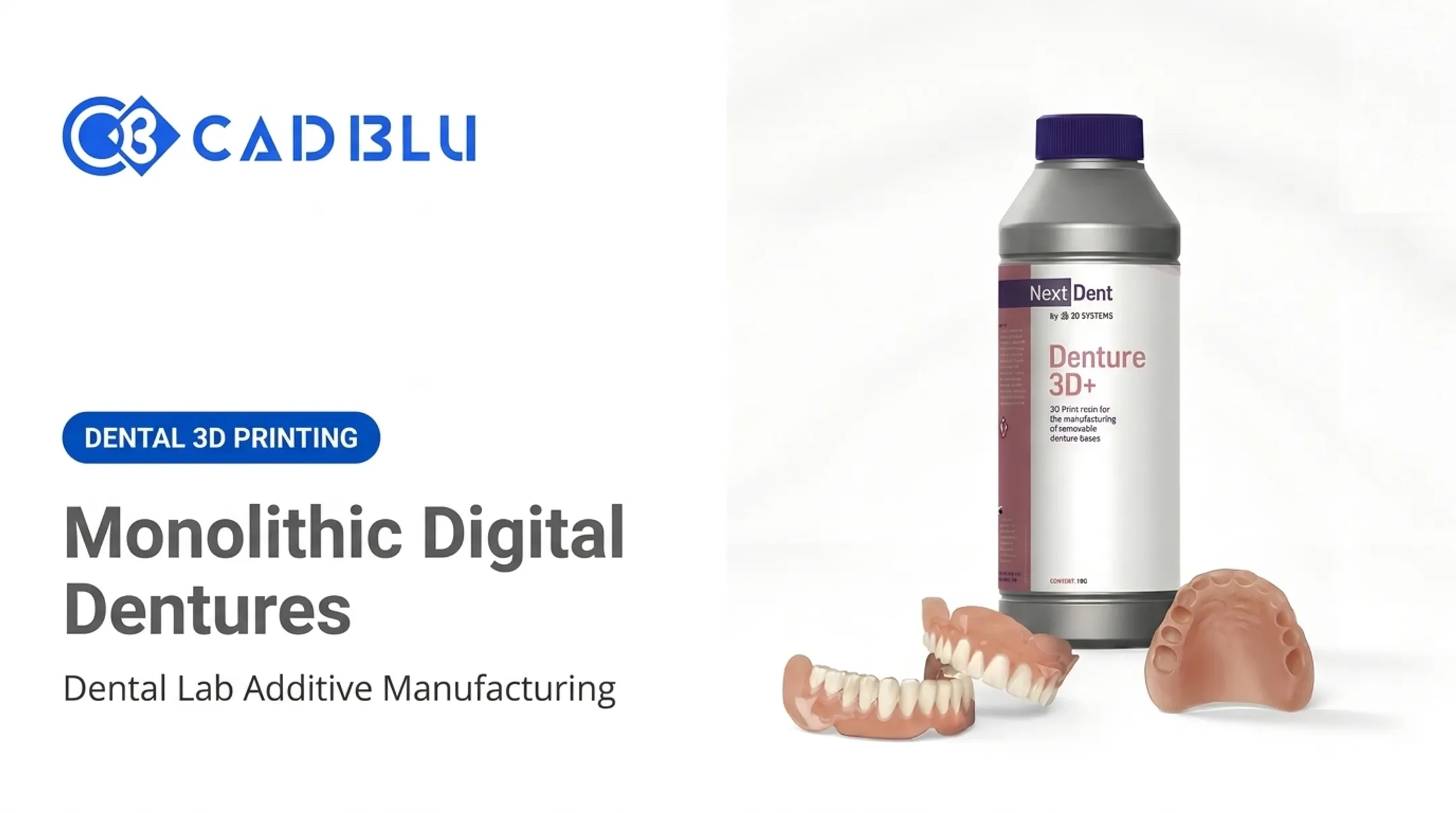
CAD/CAM milling and 3D printing describe fabrication methods, not a single material. A digitally produced denture might use an approved acrylic-based block, a photopolymer resin, or another specified material entirely—the process and the material are two separate questions.
Workflow advantages of digital fabrication:
- Digital scans and records that can be stored and referenced later
- Design repeatability across production runs
- Easier reproduction if a denture needs to be remade
- Integration with dental lab scanning and design software
None of this guarantees a specific fit, delivery time, or clinical outcome on its own. The printer, resin, post-processing protocol, and lab's quality controls all shape the final result.
NextDent DENTURE 3D+, for example, is a Class IIa biocompatible resin formulated for printing removable denture bases across five shades, from Dark Pink to Translucent Pink, and is priced around $365.90 per kilogram. It's designed with significantly lower shrinkage than standard PMMA denture-base materials, and dental design software can compensate for the remaining shrinkage to support a precise fit.
For artificial teeth, CROWNTEC is a composite resin built for additively manufacturing denture teeth in five common shades. It is marketed as producing devices roughly 30% stronger than those made with conventional methods while cutting material waste, and is priced at approximately $734.77.
Advanced options like PEEK and zirconia are gaining research attention for select framework applications. A 2025 systematic review covering 13 studies found PEEK frameworks showed comparable fit, durability, and patient satisfaction to Co-Cr frameworks, though the evidence base remains limited (ScienceDirect S0022391325004810). These materials should only be considered when relevant to a specific component, and always with current regulatory and biocompatibility documentation in hand.

For dental labs and practices evaluating whether to bring this kind of production in-house, CAD BLU works with labs and clinics on the equipment side of this equation—helping them assess 3D printers, compatible materials, scanning tools, software, installation, and ongoing technical support for digital manufacturing workflows. That support sits alongside the clinical decision-making, not in place of it.
How to Choose the Right Denture Material
Choose based on clinical needs and desired outcomes—not the newest or highest-priced label.
Key factors to weigh:
- Denture type and purpose – Full, partial, flexible partial, immediate, or implant-retained? Each type narrows material options.
- Comfort and fit – Base thickness, flexibility, pressure distribution, and gum sensitivity shape day-to-day feel and future reline needs.
- Strength and bite forces – Chewing habits, bruxism, and remaining tooth support point to a rigid framework or reinforced base.
- Appearance – Gum shading, tooth translucency, shape, and clasp visibility should match the patient's smile.
- Maintenance and repair – Confirm cleaning steps, chairside adjustability, and whether repairs stay in-office or need the lab.
- Budget and long-term value – Weigh upfront cost against adjustments, repairs, relines, and eventual replacement.
U.S. denture material costs vary too widely by lab, region, and case complexity for a single national price range. Direct questions still get you the clearest answer.
Bring these questions to your dental professional:
- Which materials fit my oral anatomy, medical history, and any known sensitivities?
- How will this material handle my bite and daily habits?
- What's the realistic maintenance schedule?
One point that's easy to overlook: lab equipment, technician skill, and quality control can matter as much as the material name on the label. Two dentures from the same resin can perform very differently depending on how they were made.

What to Check Before Finalizing a Denture Material
Don't select a material just because it's labeled "premium," "natural-looking," or "digital." Ask what specific problem it actually solves in your situation.
Before moving forward, confirm:
- Adjustment and relining options available for this specific material
- Repair pathways, including whether it can be fixed locally or needs a specialized lab
- Cleaning requirements and any restrictions
- Potential allergens or sensitivities tied to the material
- Clasp visibility, overall weight, and effects on opposing natural teeth
Confirm the material and fabrication process align with current dental guidance and manufacturer instructions. Newer digital resins often carry product-specific regulatory status rather than blanket approval.
Look past the day you receive the denture. Follow-up visits, fit changes as gums and jawbone remodel, eventual tooth replacement, and access to repair support shape the real ownership experience.
If you're experiencing pain, persistent looseness, broken components, gum irritation, or a suspected material reaction, don't try to adjust or replace the denture yourself. See a dental professional for an assessment first.
Conclusion
Dentures rarely rely on one material. Bases, artificial teeth, frameworks, clasps, and increasingly, digitally fabricated components each play a distinct role, and each comes with its own set of trade-offs.
Each option brings a clear trade-off:
- Acrylic: accessible and easy to repair
- Metal frameworks: stronger and thinner where support matters
- Flexible polymers: better comfort and aesthetics in select cases
- Porcelain and composite teeth: appearance balanced against wear resistance
- Approved digital resins: more consistent, repeatable fabrication
None of these options is universally "best." The right combination depends on your oral anatomy, bite, lifestyle, sensitivities, and budget. Talk through these factors with a qualified dental professional before settling on a material so the final mix matches how you eat, speak, and live day to day.
Frequently Asked Questions
What is the best material for a complete denture?
There's no universal best material. Acrylic-based bases remain common because they're adjustable and repairable. Tooth material and reinforcement should match your bite, aesthetics, durability needs, and any sensitivities, confirmed in a professional evaluation.
What is the latest material for dentures?
Newer options include digitally designed and 3D-printed resins, milled denture blocks, reinforced polymers, and advanced framework materials like PEEK. The fabrication method and clinical suitability matter far more than how new a material sounds.
Which type of denture is the most comfortable to wear?
Comfort depends primarily on accurate fit, design quality, tissue condition, and stability rather than the material category alone. Rigid acrylic, flexible partials, and implant-retained options all have their comfort trade-offs depending on the individual case.